
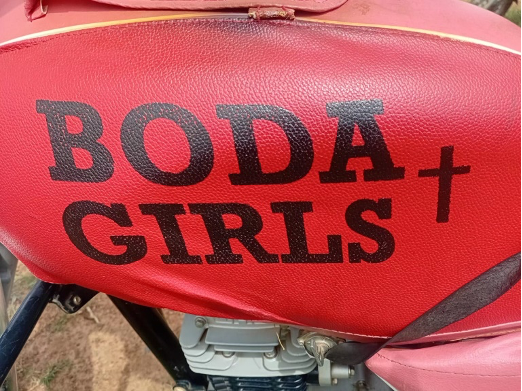
Ride to Safety:How boda girls are enabling Siaya women access maternity
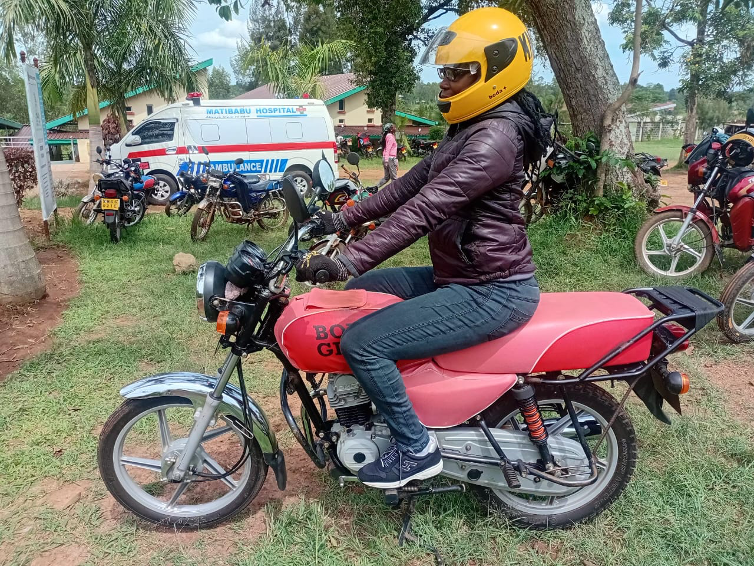
On a muddy morning in Ukwala, in western Kenya’s Siaya County, a pink motorbike cuts through puddles and narrow village paths. At the handlebars is Jackline Baraka Odhiambo, helmet strapped tight, engine steady, behind her is Pamela Achieng with her newborn baby, she had just delivered and now heading to her home in Sugor to present a new family member,the ride is free,the stakes are not.
For decades, distance, poverty, and gendered barriers have kept expectant mothers in Siaya from accessing skilled care. Today, a quiet transport revolution led by the Boda Girls an initiative by Matibabu Foundation is reshaping that story, one ride at a time.
The last mile Problem
In Siaya County, maternal health outcomes have long reflected systemic inequities. Health experts point to the “three delays” model: delays in deciding to seek care, delays in reaching care, and delays in receiving adequate care.
Transport sits at the heart of the second delay.Women often walk miles to facilities or don’t go at all.
“Many women delivers at home because getting to the hospital was difficult,that is the gap we want to bridge.” says Faith Basia,the program coordinator. “Transport here is unreliable, expensive, or unsafe.”
The consequences are stark. Across Kenya, complications like postpartum haemorrhage and obstructed labour remain leading causes of maternal deaths, according to national health data.
In Siaya specifically, gaps in access to ultrasound, emergency care, and timely referrals have historically contributed to high maternal mortality.
“I Almost Gave Birth at Home”
For 32 year old Pamela Achieng’, the difference between her first and second pregnancy is stark.
“With my first child, I stayed at home until labour was too much waiting for my boda boda guy,” she says. “I couldn’t wait anymore, so I started by foot, he found me along the way when I’m almost reaching the hospital,I almost gave birth on the way.”
The nearest facility was more than 10 kilometres away.
Her second pregnancy unfolded differently.
“For this one was easy with the boda girl, I called her and in few minutes she was there at my door.” she says. “I didn’t have money, but I came and now going back home on a free ride”
She attended all her antenatal visits. When labour began, she was taken quickly to a facility.
“This time, I felt safe,” she says.
“They Don’t Ignore Us Anymore”
For Millicent Akinyi, another beneficiary, the barrier was not just distance it was dignity.
At her nearest clinic, she says, health workers often dismissed her concerns.
“You go, you sit, and no one explains anything,” she recalls. “You feel like you don’t matter.”
Through the Boda Girls network, she was referred to Matibabu hospital.
“They listened to me. They checked everything.”
Her complications were detected early, and she delivered safely.
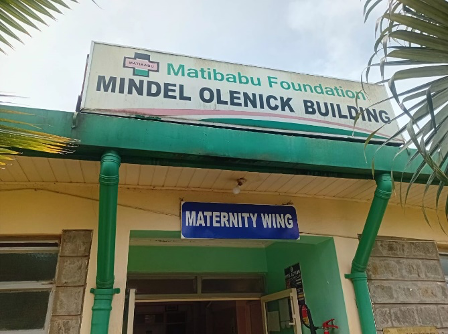
In Kenya, the boda boda (motorcycle taxi) industry is overwhelmingly male-dominated. Women riders remain rare and often face stigma.
Jackline Baraka, a Boda Girl rider, remembers the resistance.
“People used to say this is a man’s job,” she says. “Even clients didn’t trust us at first.”
But that is changing,now, she is often the first-person families call when labor begins.
“You arrive, and they are relieved,they feel safe carried by a woman” she says. “Sometimes you know you have saved a life.”
But the impact goes beyond health.
“I can support my family now, it is also my source of living. I have my own motorcycle,” she says. “And people respect me.”
Designing a Solution That Fits the Problem
The programme’s strength lies in its simplicity and its alignment with local realities.
Rather than building new infrastructure, it leverages what already exists: motorcycles, community networks, and local knowledge.
According to the programme coordinator Faith Basia, three design choices have been critical:
- Free maternal transport to remove cost barriers
- Female riders to address safety and gender concerns
- Integration with health facilities to ensure continuity of care
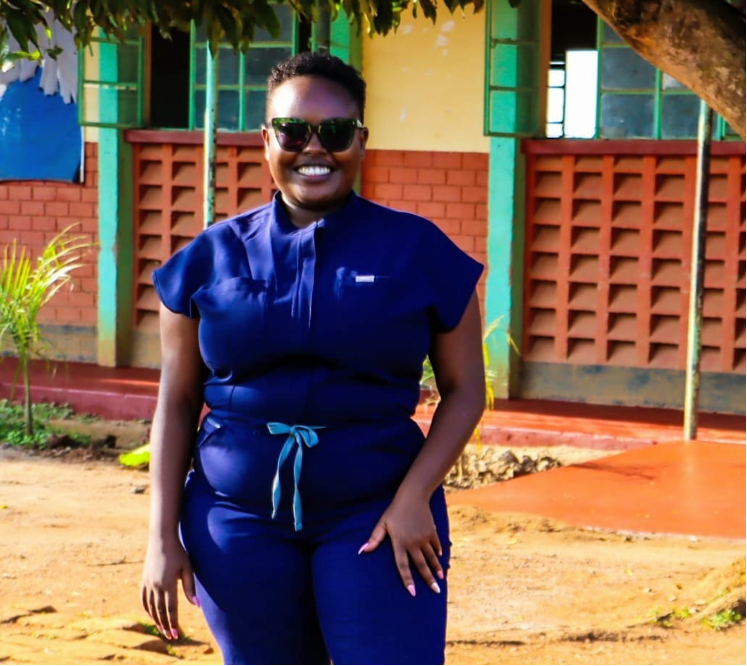
Facilities linked to the programme report increases in antenatal attendance and skilled deliveries, alongside faster emergency referrals.
But scaling remains a challenge.
“Muddy roads,Fuel costs, maintenance, and expanding coverage require sustained funding,” the coordinator notes. “And we must ensure health facilities can handle increased demand.”
Policy Meets Practice
At the policy level, Siaya County is also moving to strengthen maternal health systems.
The Reproductive, Maternal, Newborn, Child and Adolescent Health (RMNCAH) Bill 2024 aims to improve access, equity, and quality of care—while embedding community-based approaches into the health system.
The bill emphasizes:
- Access to reproductive health services as a right
- Strengthening community health linkages
- Investment in maternal and child health systems
Health experts say programs like Boda Girls align closely with these goals.
“Targeted community-driven interventions are exactly what we need,” says Daniel oluoch,a health expert. “National averages hide local realities. Solutions must be local too.”
A System Under Pressure,But Changing
Despite progress, challenges persist.
Siaya continues to face high maternal mortality, driven by both medical and systemic factors.It is among the listed deadly counties with a record of 336 deaths per 100,000 live births.
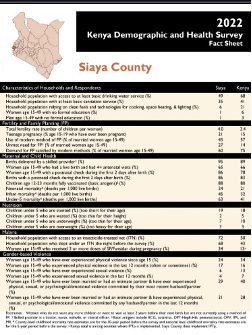
This tension between progress and persistent gaps is where innovation matters most. The road to safer motherhood is still long.
But increasingly, it is being travelled on two wheels driven by women who are not just moving patients, but reshaping systems.
Comments